













Logo

Promotional Codes Eplay24 In Italy

For adult players in Italy, this 2026 overview shows how to use offers, budget, and account with more control.

Fortune Gems 2 Slot

Table of Contents

  • The Dog House Megaways Slot
  • Lucky Joker 10 Extra Gifts Slot
  • Sword of Ares Slot
  • Floating Dragon Hold & Spin Slot
  • Leprechaun Riches Slot
  • Fruit Cocktail Slot
  • The Dog House Megaways Slot
  • Sword of Ares Slot
  • Fruit Million Slot
  • The Dog House Megaways Slot
  • Big Fisherman Slot
  • Big Fisherman Slot
  • Seven Books Unlimited Slot
  • Eplay24 Fortune Slot
  • Sword of Ares Slot
  • Floating Dragon Hold & Spin Slot
  • 9 Mad Hats Slot
  • Floating Dragon Hold & Spin Slot
  • Big Bass Splash Slot

Why The First Account Reading Matters

The first impression of a platform isn't born from the chosen game, but from what the player can do in the first few minutes without getting confused. If balance, profile, cashier, and control tools are readable, the experience starts well. If, on the other hand, each step requires attempts, backtracking, and guesswork, even a short visit becomes more burdensome than necessary.

Promo 1

Imagine a concrete situation. You have little time, you just want to understand if the platform seems organized to you, and you don't want to turn a quick test into a long session. At that moment, you don't need spectacle. You need an account that is quick to read: where the balance is, how to see transactions, where to set limits, how to log in and how to log out.

For adult users in Italy, this aspect weighs even more, because many visits originate from a phone, amidst work, commutes, and short evening slots. The platform can be used in compliance with applicable rules and age restrictions, but true control always remains in the player's hands. If the entry is clear, subsequent decisions also tend to be clear.

Reading The Offer Without Rushing

An initial incentive is only valuable if it doesn't alter your plan. Many users make the opposite mistake: they see a benefit, immediately open the cashier, skip reading the conditions, and start playing without having decided on a budget or duration. The result is almost never a better session. It's just a faster, less thought-out session.

Imagine opening your account after dinner with the idea of staying for twenty minutes. If the promotion pushes you to do twice what you had planned, it's not helping you. It's shifting you. The correct way to evaluate it is simple: first decide how you want to use the platform that evening, then understand if the offer supports that plan or distorts it.

When The Code Field Becomes A Problem

The field where you enter a promotional string seems like a detail, but it's often the point where the player starts to lose clarity. This happens especially when everything else is already ready: registration almost finished, desire to enter the lobby, attention shifted to the games. At that moment, you tend to copy quickly, not read the summary, and proceed as if it were a formality.

Imagine a user who enters the sequence and immediately moves on without checking what has changed in the account. If something doesn't activate as expected, they won't be able to say whether the problem is in the text, the timing of the entry, or a skipped step. It's better to do the opposite: read the current screen, enter it once, verify the result, and only then continue.

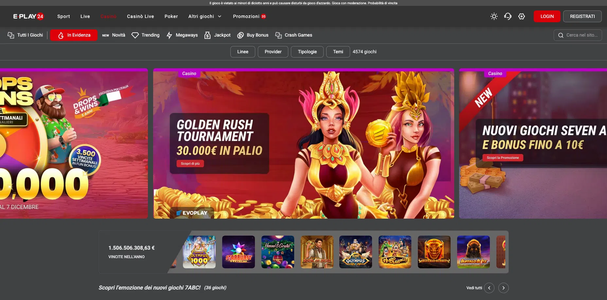
promotional offer 2

Registration, Profile, and Initial Settings

Registration isn't the most interesting part, but it's one of the most important. A misspelled detail, a password that's too weak, or an email entered carelessly can halt the flow later on, precisely when the player only wants to focus on games or payments. The most annoying problems often don't arise from big mistakes, but from details ignored at the initial stage.

Imagine filling out your profile from the couch, with notifications active and the battery almost dead. It's the perfect context for typing quickly and promising yourself that "I'll fix it later." But that "later" always comes at the worst time: when you need to verify your account, check a withdrawal, or recover access.

For this reason, it's best to treat registration as a technical operation, not an obstacle to be quickly overcome. Enter the data, reread it, save the password securely, and then take a tour of your account before thinking about the games. The more organized your profile is at the start, the less friction you accumulate later.

The First Choices That Make Everything Clearer

The first useful decisions aren't the most flashy ones. They are the ones that prevent confusion later: checking your profile, finding your balance, understanding where to see transactions, identifying spending limits, and time reminders. These steps may seem unexciting, but they make a difference.

Imagine a player who, even before entering the lobby, takes two minutes to orient themselves. It seems like a slowdown, but in reality, it's the opposite. Instead of reacting to the screens, they start using the platform with their own logic. And it's precisely this small difference that makes the rest of the evening more readable.

Cashier, Budget, and Transaction History

The cashier is the point where everything becomes concrete. Here, the player decides whether to really enter a session, with what amount, with what method, and with what goal. If this decision was made beforehand, the cashier becomes just a confirmation. If, on the other hand, the budget is determined in front of the payment screen, the risk of improvising increases immediately.

Promo 3

Imagine the most common scenario. The phone is in hand, the account is open, the deposit screen is ready, and only at that moment do you wonder what amount makes sense. This is the wrong order. The amount should be decided beforehand, perhaps even repeated mentally with a simple phrase: this is my amount for this session, and it stays this way.

The same applies to withdrawals. The user who rereads the summary, checks the amount, and reviews recent transactions usually keeps everything linear. The one who constantly refreshes the page, repeats steps, or immediately contacts support without looking at the history often complicates a situation that only required a little calm.

Operational Phase

What The Player Does

Why It Is Useful

Practical Habit

First Deposit

Chooses the amount before opening the cashier

Reduces impulse

Deciding the budget with a cool head

Payment Method

Usa an already known tool

Makes steps clearer

Avoiding unnecessary changes

Controllo Del Saldo

Rivede importi e movimenti recenti

Aiuta a non ripetere azioni

Fare una pausa dopo ogni operazione

Withdrawal Request

Controlla dati e riepilogo finale

Cut avoidable errors

Read one more time before sending

Gestione Del Conto

Aggiorna limiti e promemoria

Keeps the pace under control

Rivedere le impostazioni con regolarità

Uso Da Smartphone E Sessioni Brevi

The phone makes everything faster. This is its strength, but also its risk. On desktop, the player tends to “sit down to play”. On a smartphone, they log in while waiting for something, while resting, while filling a gap in the day. That's why the account needs to be readable, but the player needs to be even more disciplined.

Imagine checking messages and opening your account almost automatically. You haven't really decided to play; you're just following the easiest path because the phone is already on and the platform is a touch away. This is precisely where simple rules are needed: why am I logging in, how much time do I have, what marks the end of the visit.

A mobile session works well when it has a single purpose. Logging in to check the balance is different from logging in to top up, and even more different from logging in to play. When you mix everything into the same login, the visit loses its clarity. When you choose a single objective, the platform becomes lighter and easier to close.

Define The Purpose Before Logging In

The most useful question before logging in is very short: why am I logging in now? It seems almost too simple, but it avoids a huge amount of confused sessions. If the answer is vague, the session will usually be vague too.

Imagine you have twelve minutes before you leave. If you log in without a clear purpose, you'll almost certainly end up going from balance to lobby, from lobby to game, from game back to the cashier. If, instead, you tell yourself “I'll just check my account and that's it” or “I'll have a short session and then I'll log out,” the phone stops guiding you, and you start guiding it.

Notifications, Battery, And Distractions

Molti problemi attribuiti alla piattaforma nascono in realtà dal contesto in cui il giocatore la usa. Batteria bassa, segnale debole, notifiche continue, app aperte in background, attenzione spezzata da altre schermate. Tutti questi elementi rendono la sessione più nervosa e meno leggibile.

Imagine trying to use your account while walking, replying to two chats, and waiting for a page to load. It's not a technical problem. It's an entry problem. A better session almost always stems from a simpler setup: stable connection, few disturbances, defined time, and a phone charged enough not to add unnecessary haste.

A Good Exit Routine

Many players only think about how to log in; almost no one thinks about how to log out. Yet the end of the session matters as much as the beginning. If you leave the account open in the background, returning becomes too easy. If you truly close it, the experience remains within a clearer perimeter.

Imagine finishing a visit and returning to social media without properly closing the platform. Ten minutes later, you might log back in almost unintentionally. An orderly exit routine, consisting of a final balance check, a quick review, and a complete closure, helps prevent this silent drift.

Game Choice And Available Real-Time

The catalog should not be read as an endless list to be explored all at once. It should be used as a tool to match the type of session with the real-time you have. If you have twenty minutes, you need to choose like someone who has twenty minutes. If you have a freer evening, then you can afford more exploration. This principle seems obvious, but it is one of the most ignored.

Imagine logging in with little time and choosing something that requires more concentration or continuity than you can provide. The final feeling will almost always be one of haste. If, instead, you build your choice on the available time, the session remains coherent. You don't have to chase the game; the game adapts to the space you have.

Mental state also counts. There are evenings when you want a simple, almost automatic visit, and others when you have more attention to explore the catalog. Ignoring this difference often leads to decisions unsuitable for the specific evening. Reading it well, however, makes everything more sober and stable.

Exiting Well Is As Valuable As Entering Well

The quality of a session is measured not only by how it begins but also by how it ends. Many users continue because they think a few more minutes can “fix” the evening. In practice, this idea often prolongs a visit that had already reached its natural closing point.

Imagine reaching the time limit you set and still feeling the temptation to stay. That's precisely where the initial rule must count more, not less. A clear closure protects your budget, protects the emotional tone of the session, and makes it easier to return another time without carrying frustration.

Support, Verification, And Break Tools

Support is useful when it receives facts, not just irritation. Writing that something “isn't working” can be sincere, but it's not very helpful. It's much more useful to explain the precise step where the problem appeared: login, cashier, history, confirmation of a transaction, or loading a title. The more concrete the message, the higher the chance of receiving a useful response.

Imagine two users with the same snag. The first sends a vague sentence. The second says they were trying to complete a deposit, indicates the device, and explains what happened just before. Usually, the second gets a better response because the person reading the request has a real basis to start from.

Even account verifications should be treated as routine maintenance, not as a sudden drama. If they arrive while you are distracted or in a hurry, they seem much heavier than they are. If you handle them at a calm moment, with full attention, they remain just another technical step.

Finally, there are the pause tools. They work best when used early, not late. If you notice too frequent logins, sessions that often run longer than expected, or visits that start out of boredom rather than choice, a short break can be the most useful decision of the week.

How to Write a Message That Truly Helps

A useful message doesn't have to be long. It has to be readable. Device used, precise step, approximate time, attempts already made. These are the details that allow support to understand the situation.

Imagine writing immediately, while you are still irritated. The temptation is to summarize everything in a riga. But often thirty seconds more are enough to turn a rant into an understandable request. And an understandable request almost always receives a more useful answer.

When Stopping Makes More Sense Than Insisting

Stopping doesn't mean something went wrong. Sometimes it just means that the relationship between platform and routine is becoming too automatic. Repeated logins every evening, the desire to log back in immediately after closing, sessions that start without a real purpose: these are small but clear signals.

Imagine finding yourself on the account at the same time every day, more out of habit than choice. In that case, a short break, or a stronger tool like temporary self-exclusion, can restore distance and clarity. Acting early is almost always easier than correcting an established rhythm.

FAQ

A good initial offer is one that adapts to your plan, not the other way around. First, decide how much time you want to dedicate to the session, what budget seems sensible, and what your exit point will be. Only then does it make sense to evaluate whether the promotional advantage truly supports this scheme or pushes you to change too much.

It is advisable to do so immediately after registration, when your mind is still neutral and not influenced by the session's outcome. Setting limits in advance makes their function clearer: not an emotional reaction, but a normal part of how you want to use your account.

Because the phone makes every step very light. You check your balance, enter the lobby, open a title, go back, and time passes without you feeling a real stopping point. Without a specific purpose and without an exit routine, the session tends to lengthen almost silently.

It is advisable to check your profile data, locate your balance and history, understand where the cashier and limits are, and see how reminders and pause tools work. This small initial tour may not seem exciting, but it makes everything that follows much easier.

The most useful rule is not to react immediately to a slow screen. First, check your balance and recent transactions. Many errors arise from the fact that the player assumes nothing has happened, when in reality the first operation was already in progress. A short break avoids a lot of unnecessary confusion.

It makes sense when you have already read the screen carefully, checked the previous steps, and can precisely state where the flow was interrupted. The more concrete the request, the more likely you are to receive a truly useful answer. Support works better with details than with general impressions.

A break can make a difference when logging into your account is becoming an automatic habit rather than a conscious choice. If you log in out of boredom, if you often extend your session, or if you log back in immediately after closing, taking a break can bring control back to the center of the experience.

EN